
THE TWITNAM SUMMER
Mainly about Jonathan Swift
Regular readers will know that the time I spend in Marble Hill House has made me a huge fan of Henrietta Howard. She was a remarkable Georgian lady who spent 20 years at court. She had started as a Woman of the Bedchamber to Caroline, the Princess of Wales but had later added the semi-official role of mistress to her husband. There was no Facebook then, of course, and had there been, she wouldn’t have used it, as she was famously discreet. But if she had ever posted a Facebook relationship status, it must have been ‘It’s complicated’.
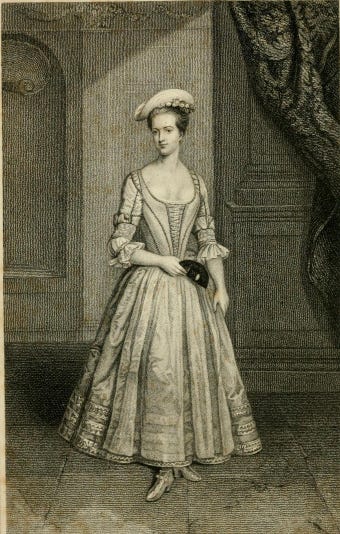
By the time she left court in 1734, she held the position of Lady of the Bedchamber to Caroline, who was now the queen, while still being acknowledged as mistress to the king. It was a position that carried substantial influence and made her a centre of court life. Her departure was seen as a reversal of her fortunes, with friends speaking of it with regret.
“It is a sad thing, without doubt, to be remov’d from the sunshine of the court to the melancholy Shades of privacy and retirement.” – Lord Bathurst
Henrietta, though, saw it as a relief. Her position at court had been a job. With a husband who beat her and stole her substantial dowery, a life at court had been all that stood between her and poverty. Once her husband was dead and she had acquired enough money to survive alone, she was more than happy to leave. She moved to the house that she had had built for her at Twickenham and surrounded herself with a circle of friends who included some of the most fashionable writers of the day. By 1735, the poet Alexander Pope, a close friend, was writing, “There is a greater court now at Marble hill than at Kensington.”
Pope, Jonathan Swift (author of Gulliver’s Travels) and John Gay (The Beggar’s Opera) were all frequent visitors. They had known her for years and had been happy to avail themselves of the comforts of Marble Hill House, raiding her larder and enjoying her cellar, even before she moved in.
“I hope you will get your house and wine ready, to which Mr Gay and I are to have free access when you are safe at Court, for as to Mr Pope, he is not worth mentioning on such occasions.” – Swift 1727
The three men, Swift, Pope, and Gay, had ample opportunities to enjoy Henrietta’s absentee hospitality in the summer of 1726, when the three of them were living together at Pope’s house in Twickenham, then often called Twitnam. This is the subject matter of Hester Grant’s book, The Twitnam Summer.
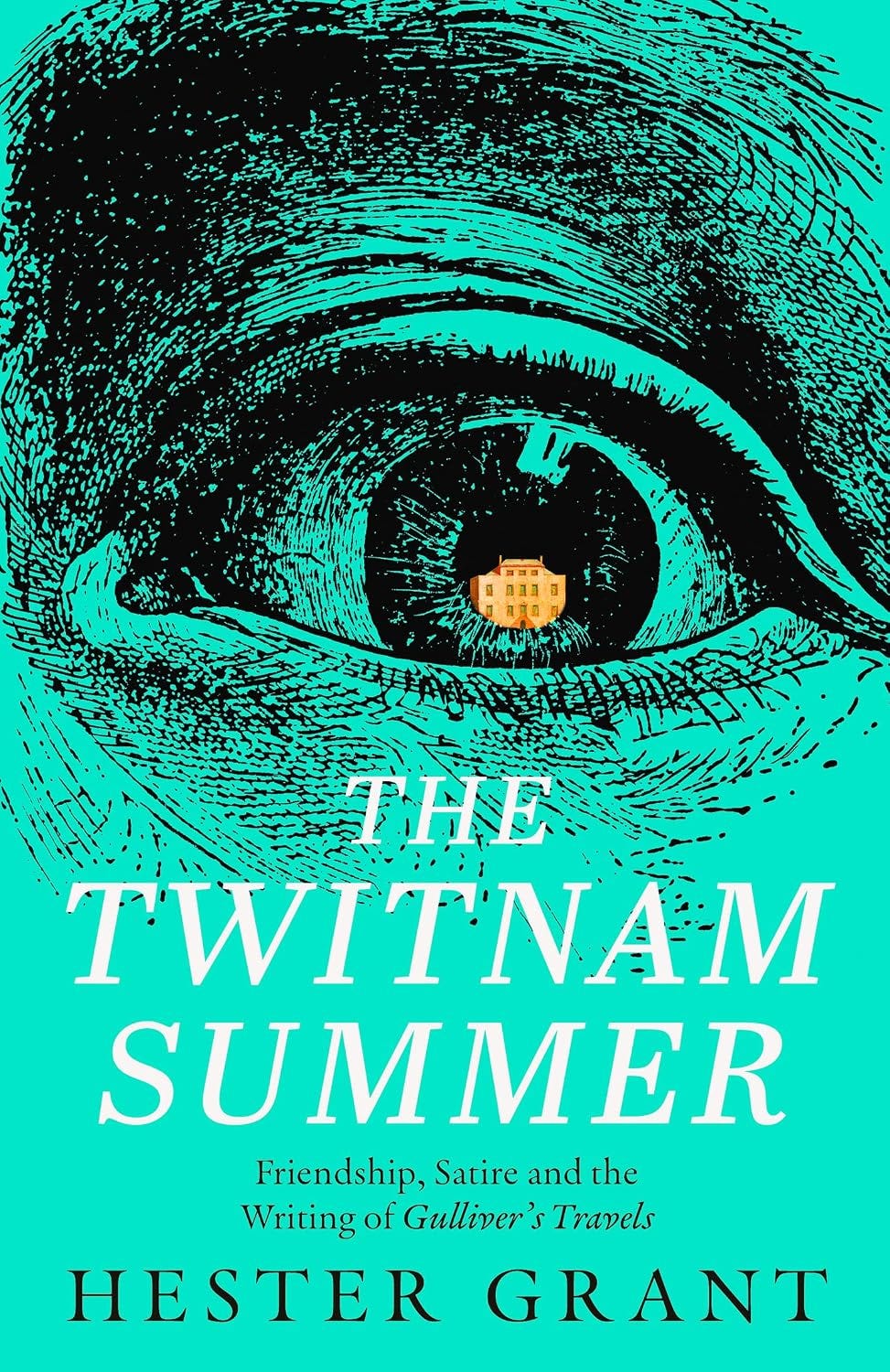
It’s an interesting book, but uneven. It’s obvious that Grant is something of a Jonathan Swift fan-girl. Gulliver’s Travels is, according to her, “the greatest prose masterpiece of the eighteenth century.” (This is the century that gave us Robinson Crusoe, Tom Jones, and Tristram Shandy.) Much of the book is taken up with Swift’s life: his dislike of French cookery, his health (he suffered from piles, fits of dizziness and occasional deafness), his obsessive enthusiasm for long walks “twice a day in fair weather and once in fowl”, and his rampant bibliophilia. There is a long discussion of his political activities in Ireland, not directly related to his summer in Twickenham, but fascinating nonetheless. There is a sort of historical blindness in England that means that the details of how badly the Irish were treated in the eighteenth century is conveniently overlooked and Grant’s account of Swift’s efforts on behalf of his Irish flock (he was the Dean of St Patrick’s in Dublin) throws some light on a dark period of history.
The Dean was clearly a man who was ready to throw himself whole-heartedly into political issues that concerned him and he was capable of occasional acts of great generosity. He was also, and this is clear from the book, a deeply unpleasant man: mean, cruel, bullying and selfish. He was unable to hold on to his servants (one lasted only ten days) because of the demands he made on them. They were expected to carry a pocketbook for jotting down his notes to supplement his manual on The Duty of Servants at Inns. When staying with friends, he was as ready to criticise their servants as his own. When dining with his friend, the Earl of Orrery, he was so critical that Orrery reported his comments in a biography he wrote. “I am thinking”, the Dean remarked, “how often, if your servant had been mine, I should have chid him for faults.” These included “not giving a plate with the right hand, [n]ot taking off a dish with both hands”; and “[p]utting the plates too near, or too far from the fire”.
Swift, in fact, produced a manual called Directions to Servants, which was published in 1745. Grant describes this as satirical, but I really have my doubts.
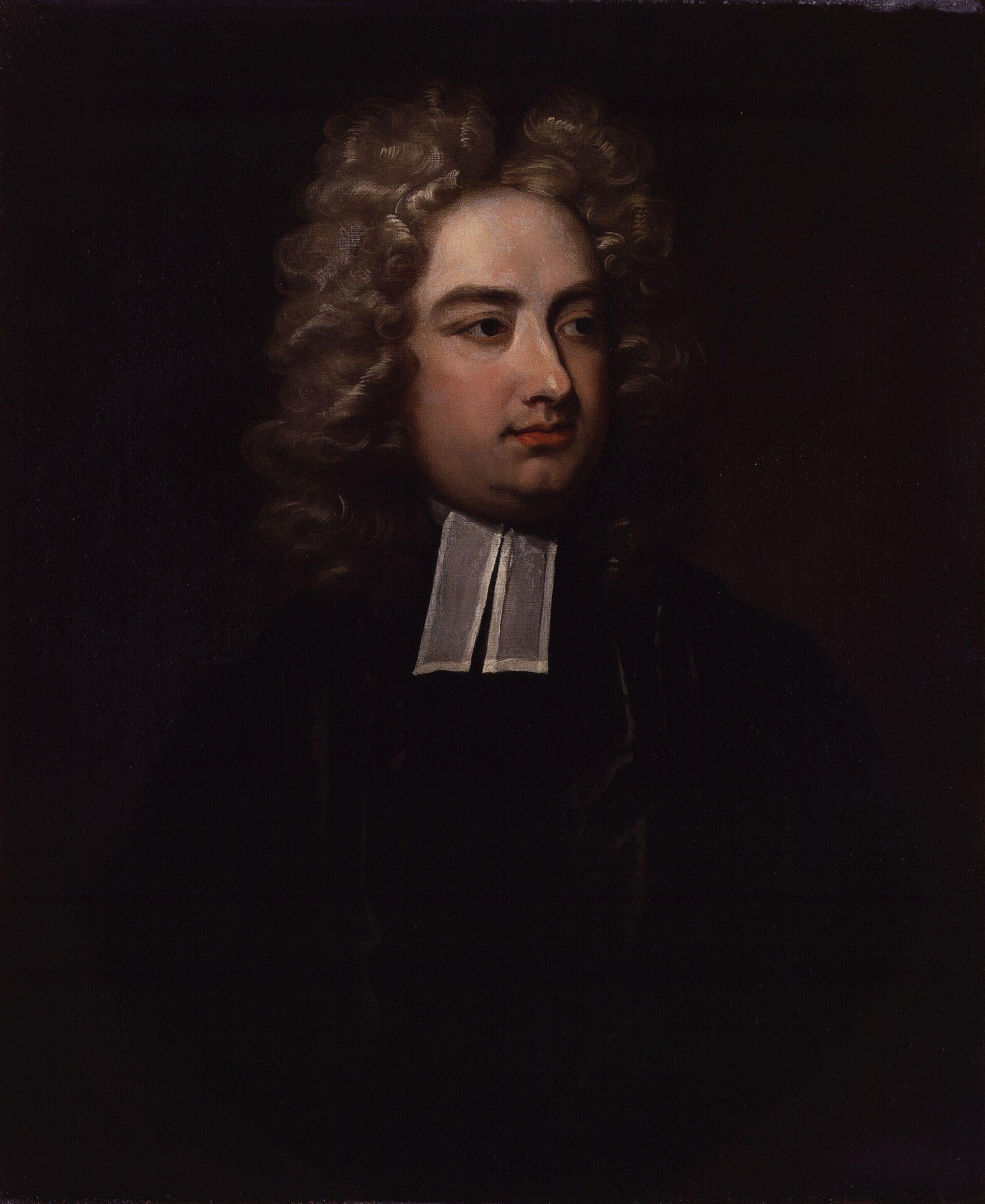
He was often a startlingly ungrateful houseguest. When Sheridan offered him the use of a country cabin at Quilca in Ireland, in the summer of 1725, he was rewarded with a document called The Blunders, Deficiencies, Distresses, and Misfortunes of Quilca, complaining of the furniture, the condition of the floor, the cold, and the dining arrangements.
Yet every time that Grant is presented with evidence of these traits, she makes excuses for his behaviour. (His meanness, for example, is explained as the result of his father dying before he was born, throwing him on the generosity of his extended family. Gay, though also fatherless, was rather prone to extravagance.) I am reminded of the argument in Helen Lewis’s book. The Genius Myth that, once we have decided that somebody is a genius, we exempt them from the normal rules of decent behaviour.
There is a fair amount about Pope in the book. (It was, after all, Pope’s house that the three of them were staying in.) Much of this focuses on his own satire, The Dunciad, though Grant suggests that Swift had a significant input to the book. Poor Gay is rather passed over, with suggestions that he did not apply himself enough to his writing. (He is quoted writing to Swift, “[Y]ou know one cannot write when one will... I think and I reject.”)
I found some of the most interesting bits of the book to be the accounts of 18th century life from the perspective of the relatively well off. There is detail of the condition of the roads and the difficulties in travelling, including the relative advantages and disadvantages of road and river. Menus are described and the availability of different kinds of food. There is a lively description of London life, much of it taken from Swift’s own writing. It gives a fascinating glimpse into that world, which well justifies the time spent on it.
BURKE IN IRELAND
I mentioned my interest in 18th century Irish history, which started when I wrote Burke in Ireland, in which my Napoleonic Wars hero starts his adventures in espionage with a mission to Dublin to infiltrate the United Irishmen, who were plotting rebellion against British rule.
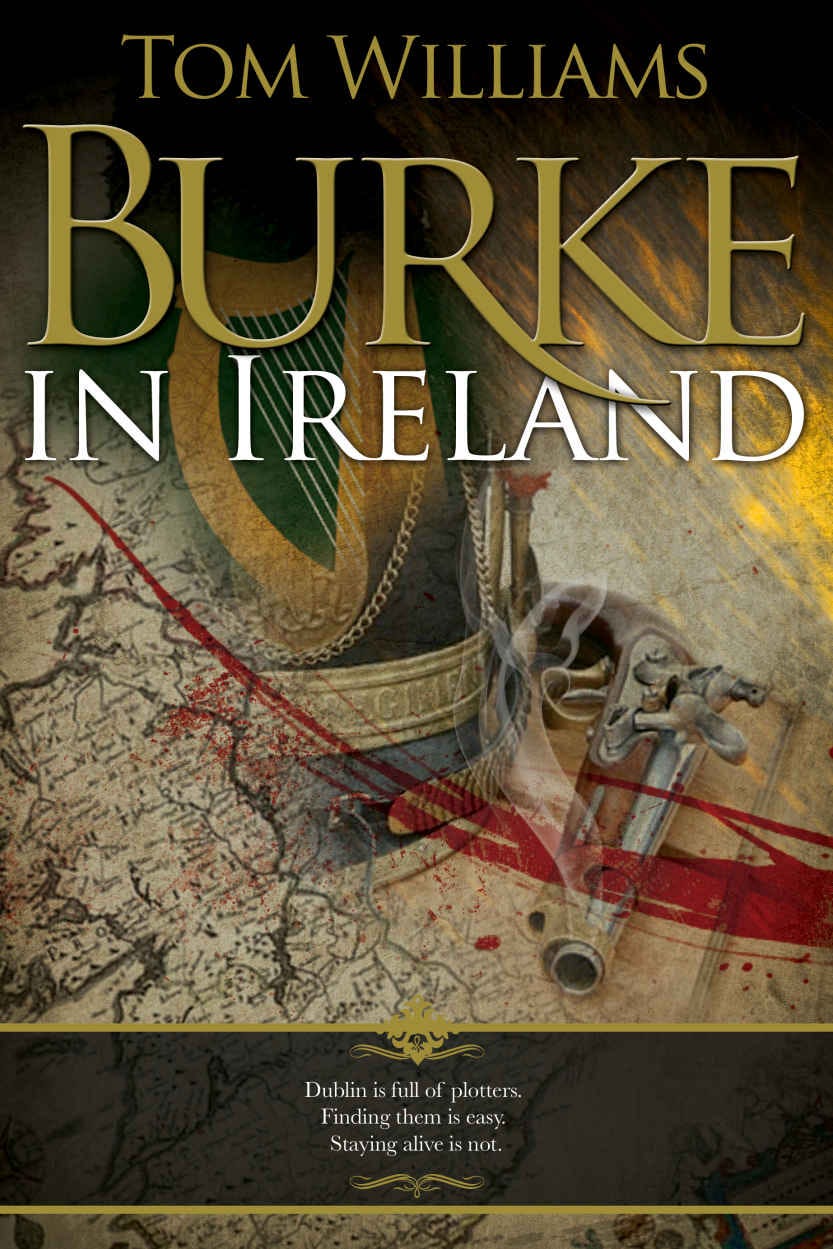
The book came about because of a suggestion from Jane Jackson, a historical novelist whose grasp of her period and detailed research is often overlooked by those who (like me) tend to undervalue ‘historical romance’. As I researched the period I was shocked at how bad the behaviour of the English had been in the 18th century. The result is a book which is more serious and much darker than most of the Burke series. It’s still essentially a spy story built around a real historical incident — the escape of Archibold Hamilton Rowan from Dublin’s Newgate prison — but it doesn’t hide the brutal reality of British rule at the time. You can still buy it on Kindle or in paperback. If you enjoy my historical stuff here on Substack, you might like to give it a go.