Orleans House
The Octagon Room
Last week, I wrote a brief introduction to Marble Hill House and that led to someone saying they might visit this neck of the woods. I responded with a (far too long) comment about other places you could see while you were here.
It reminded me that a while ago I did vaguely wonder about writing about the grand houses that used to line the Thames near where I live. The stretch of the river between Weybridge and Kew is often referred to as ‘the Arcadian Thames’, an area of open land alongside the river now managed under the Thames Landscape strategy. It’s long been seen as a particularly beautiful stretch of the river. The Thames was, for centuries, a royal highway connecting the palaces of St James’s in west London and Hampton Court in Surrey. Homes along this stretch of the river were much valued and many great houses were built here.
Heading upstream from Richmond along the north bank of the Thames, we would have come first to Twickenham Meadows (later re-named Cambridge House). In the 17th and 18th centuries this had been one of the largest riverside estates in the Twickenham area. The house was originally built in the 1600s and it survived until, its grounds long since sold for development, it was demolished in 1937.
It really was a very large estate, continuing right up to the boundary of Marble Hill Park, the second grand house on the north bank heading west from Richmond.
Heading on upriver, you pass Orleans Road, a narrow strip of highway with Marble Hill Park on one side and the other marked by a high brick wall which is one of the boundaries of the grounds of Orleans House.
There has been a building on the site of Orleans House since at least the 16th century. In 1567 a “Pleasant and delightful tenement built with Brick and part with Tymber and fflemish walle and covered with tyle” was leased by the Crown to Sir Thomas Newnham. In the 17th century this was replaced with a brick house and in 1702 the lease was bought by James Johnston, who had been the Secretary of State for Scotland. He had a solid two storey brick house built there. It was, by the standards of the time, quite plain and simple but as Johnston began to move in the circles of George I’s court, he felt the need for something that was suitable for entertaining royalty. The result was the creation of the Octagon Room. It was designed around I718, supposedly to receive Caroline, Princess of Wales, whose husband had just acquired Ormonde Lodge in Richmond. We know that she was entertained there in 1729 as consort of George II (and that Henrietta, still the mistress of Caroline’s husband, may well have been in her party).
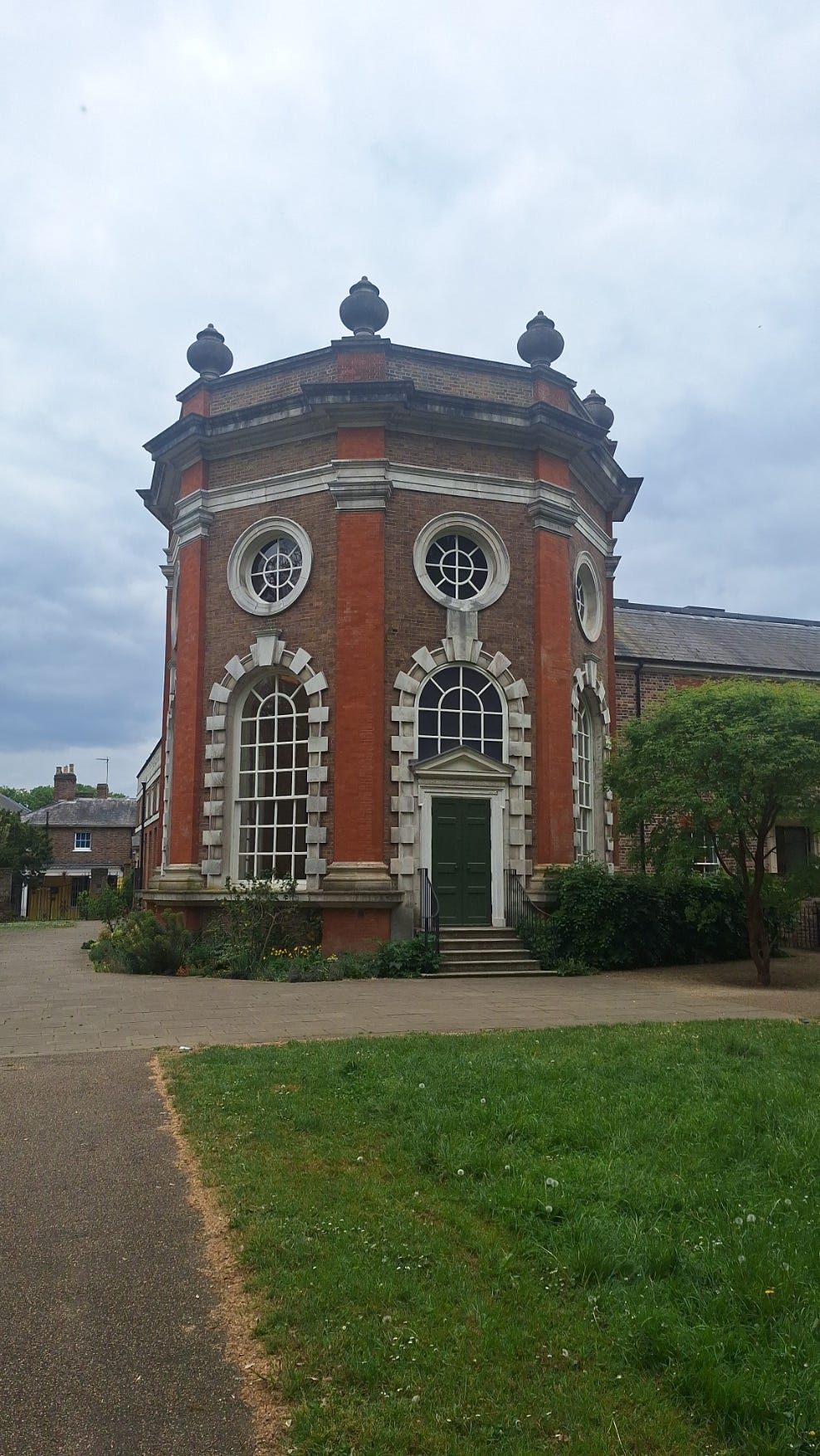
The Octagon Room stands 34 feet high and would have had excellent views of the river, which, before the embankment was built, was much wider. The interior is in the baroque style, possibly intending to flatter Caroline by reminding her of her native Germany. Recently restored, it is still quite breath-taking.
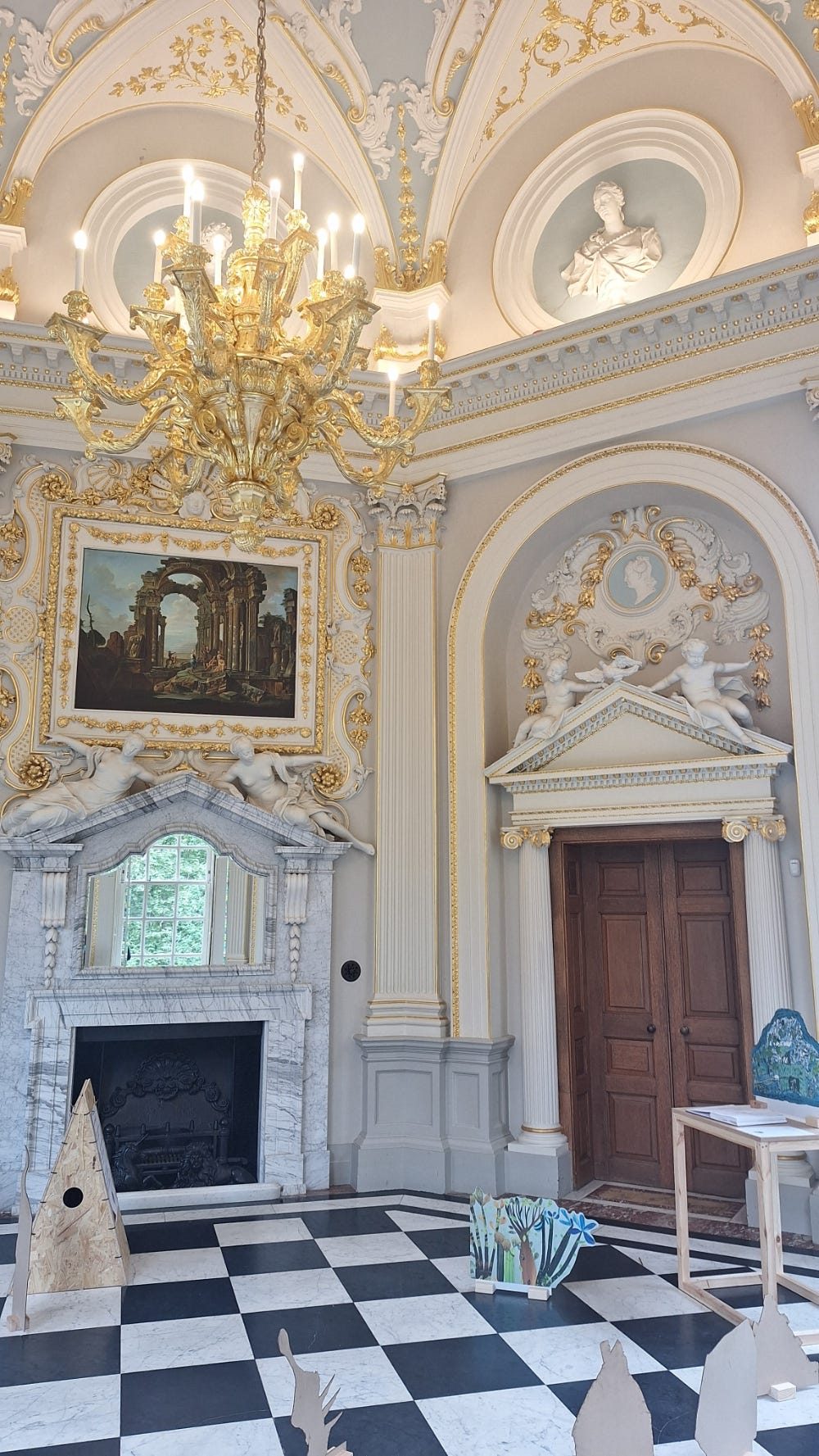
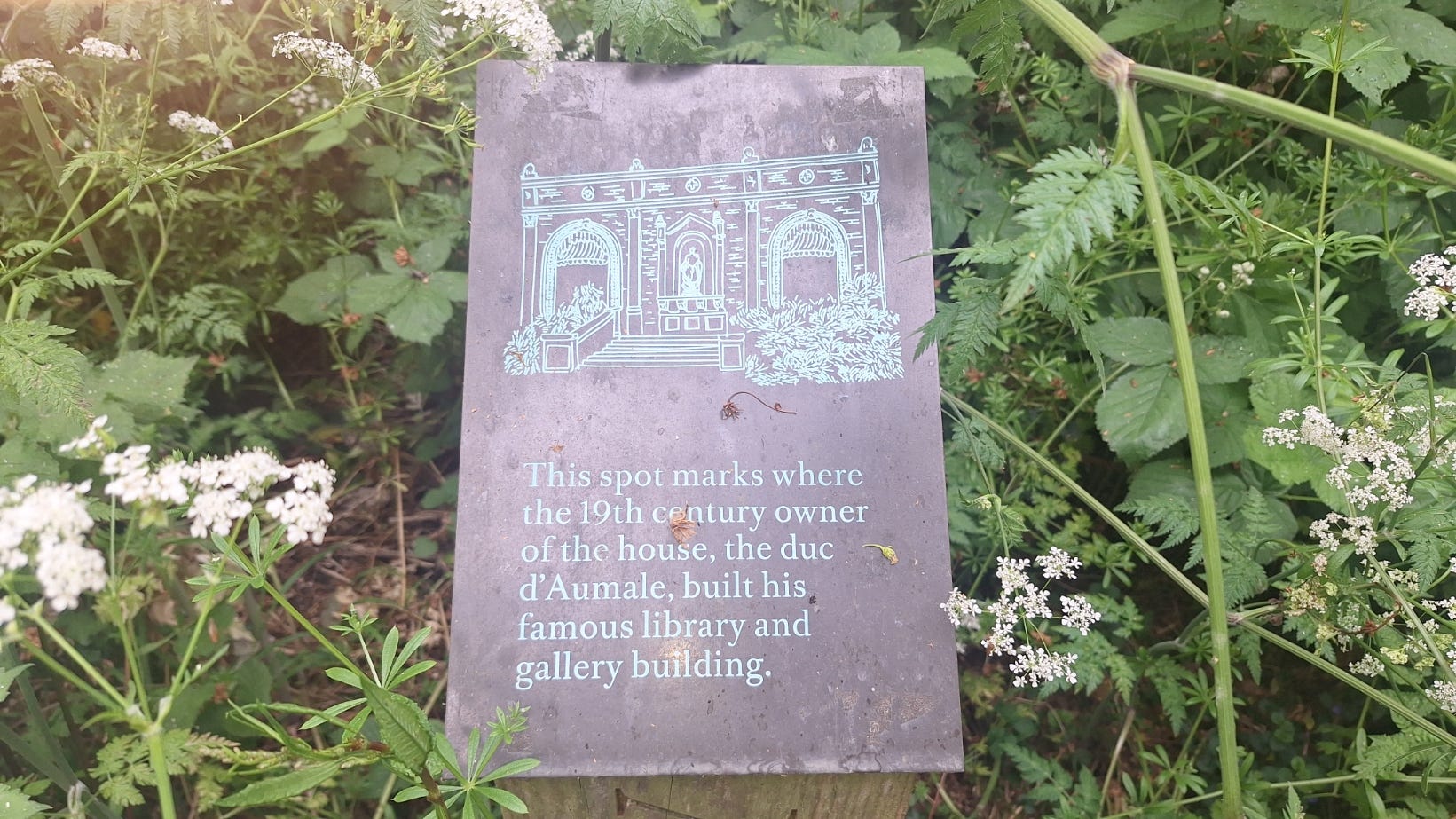
The Octagon room was originally designed to stand separately from the main house, with its own kitchens, wine cellar, and service wing, but essentially an independent building. In the late 18th century, though, the next owner built a linking building between the Octagon Room and the main house. Later, in the 19th century a library and picture gallery was added, making Orleans house into quite an elaborate grand home. By 1871, though, the house stood empty and in 1877 it was converted into a social club. This doesn’t seem to have been a commercial success and by 1882 it was bought by William Cunard, of the shipping line.
Cunard was interested in developing properties in the area, which was growing rapidly with the arrival of the railway in Richmond. Cunard bought Marble Hill with a view to developing a housing estate there and saw advantages to having two large, practically adjoining, areas for development. (There were over 20 acres of garden around Orleans House.)
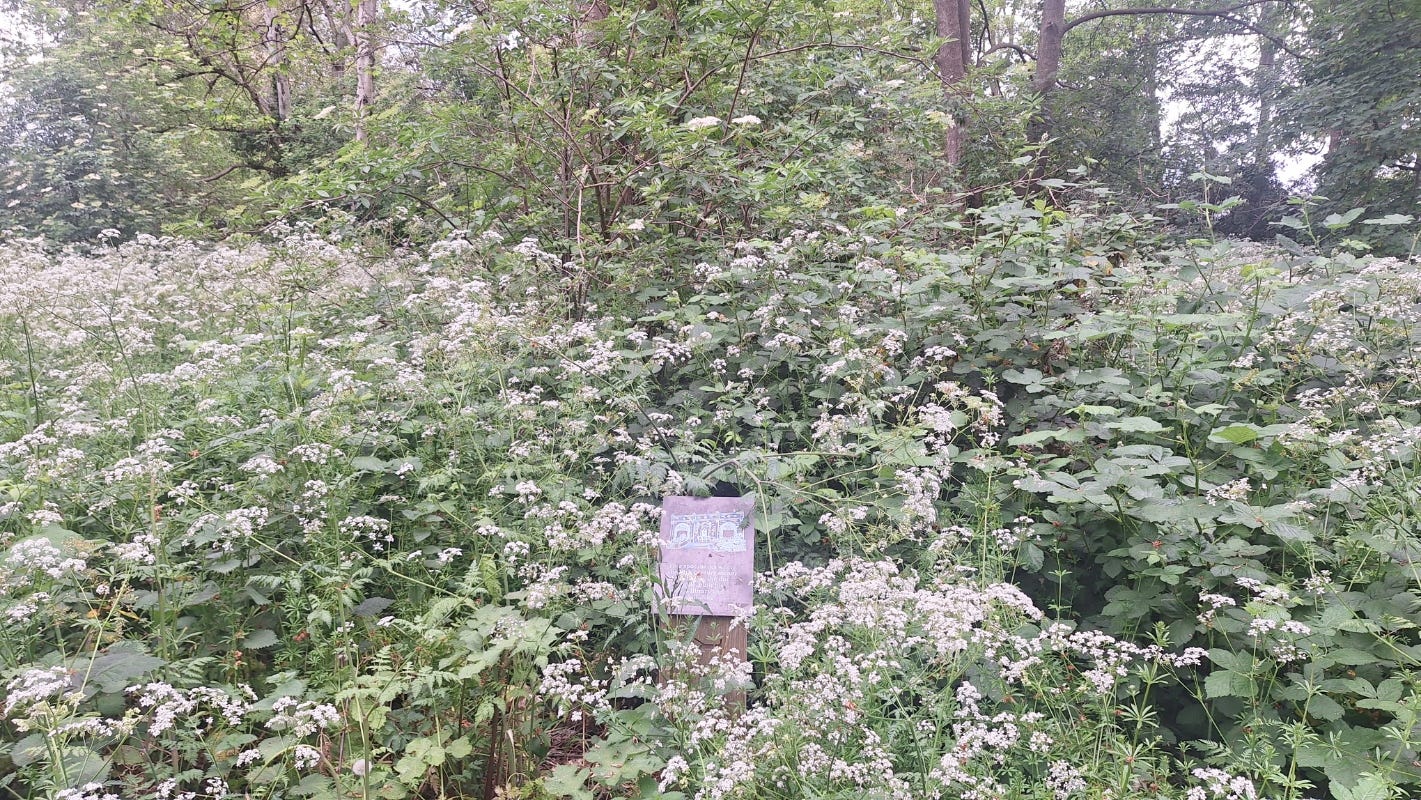
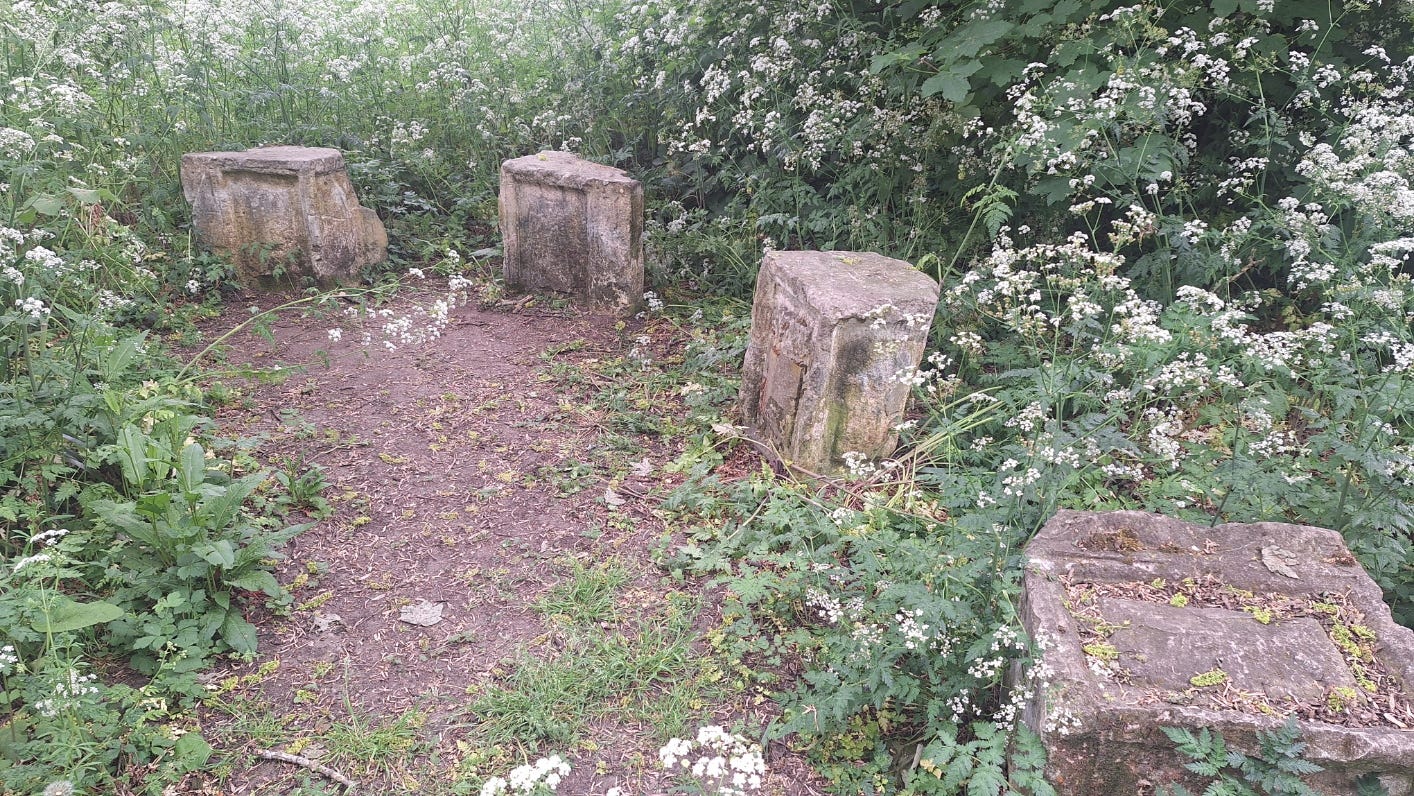
Local residents took exception to the idea of further development along the river. (The grounds of Cambridge House had already been built over.) Marble Hill was acquired by the council as public open land and restriction were put on the development of the gardens at Orleans House. With the future of Orleans House uncertain, it was often left empty and consequently neglected. In 1925, the Crane River Sand and Ballast Company bought the site and removed 12 feet of soil to extract gravel. They had no interest in the house, which they demolished.
Fortunately the owner of the (far less grand) neighbouring property, Riverside House, bought the the Octagon Room to save it from demolition. Mrs Nellie Ionides was determined to enjoy her purchase and, in the 1950s, revived the tradition of extravagant entertainment by hosting candle-lit summer dinner parties in the room.
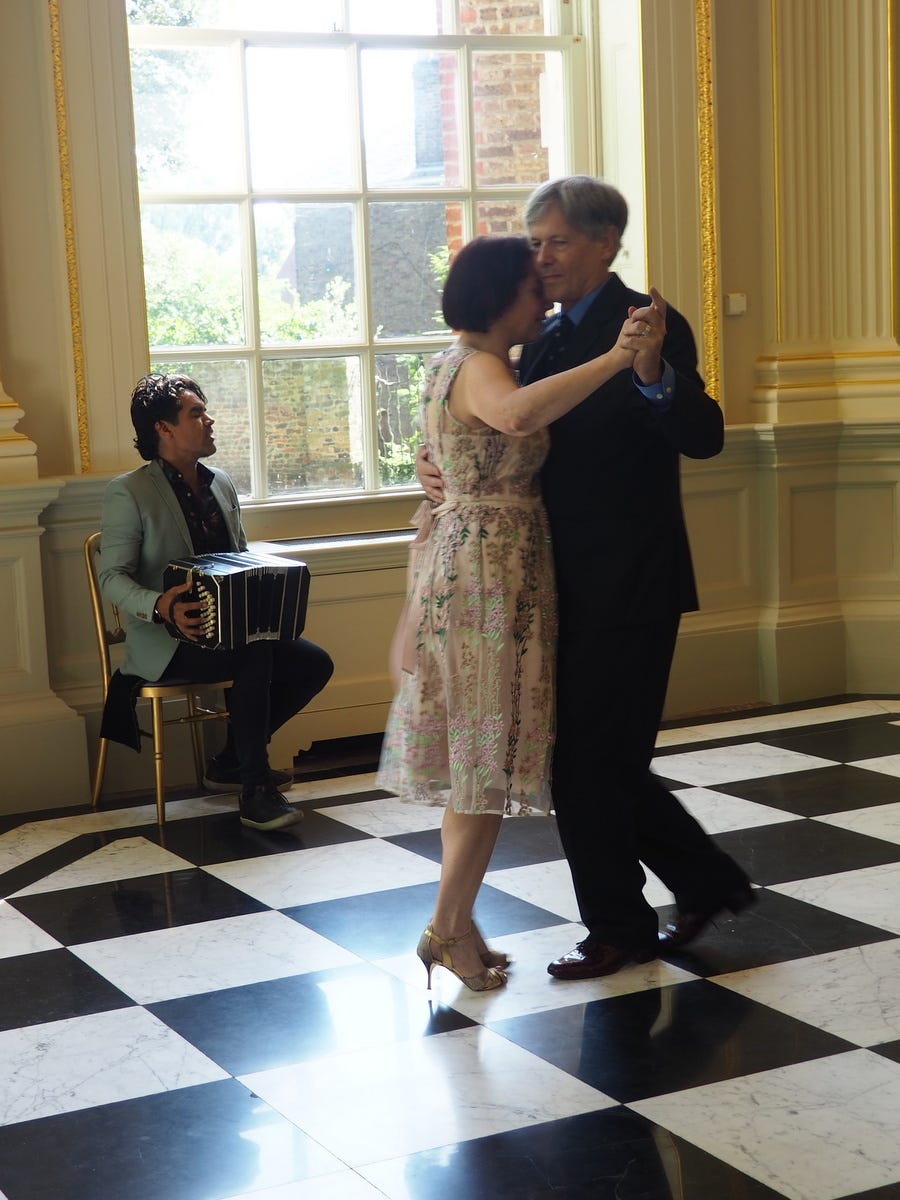
Nellie Ionides died in 1962 and left the building (and the stable block that she had also saved) to the local council. It is now an art gallery and wedding venue. We celebrated our Ruby Wedding there. It was lovely to see used as the party venue it was always designed to be.